For many young people, graduation is supposed to be the beginning of a new chapter. After years of studying, completing assignments, sitting examinations and working towards a qualification, there is an expectation that the next step will be simple: find a job, gain experience and begin building a career. But for many, the reality is very different.
The job search begins, applications are sent, interviews are attended, and then comes the familiar requirement: “Previous work experience required.” It can be frustrating. How do you gain experience when the opportunities available to you already expect you to have it? This is the experience trap, and it reveals a much bigger challenge in the transition between education and employment.
When a certificate meets the real world
Education gives young people knowledge. It can develop technical understanding, critical thinking and the foundation for a career. But the workplace often asks for something more. Employers want people who can communicate with customers, solve problems, work in teams, use technology, adapt to changing situations and understand how things work beyond the classroom. This does not mean that young people are unprepared or that education has failed.
Rather, it shows that learning and working are two different experiences. A young person may understand the theory behind a particular task but have never had the opportunity to perform it in a real workplace. Someone may have studied digital marketing but never managed an actual campaign. Another person may have studied agriculture but never had the opportunity to work with a commercial farmer or agricultural enterprise. The gap is not necessarily a lack of potential. Sometimes, it is simply a lack of opportunity to practice.
Experience should not be a privilege
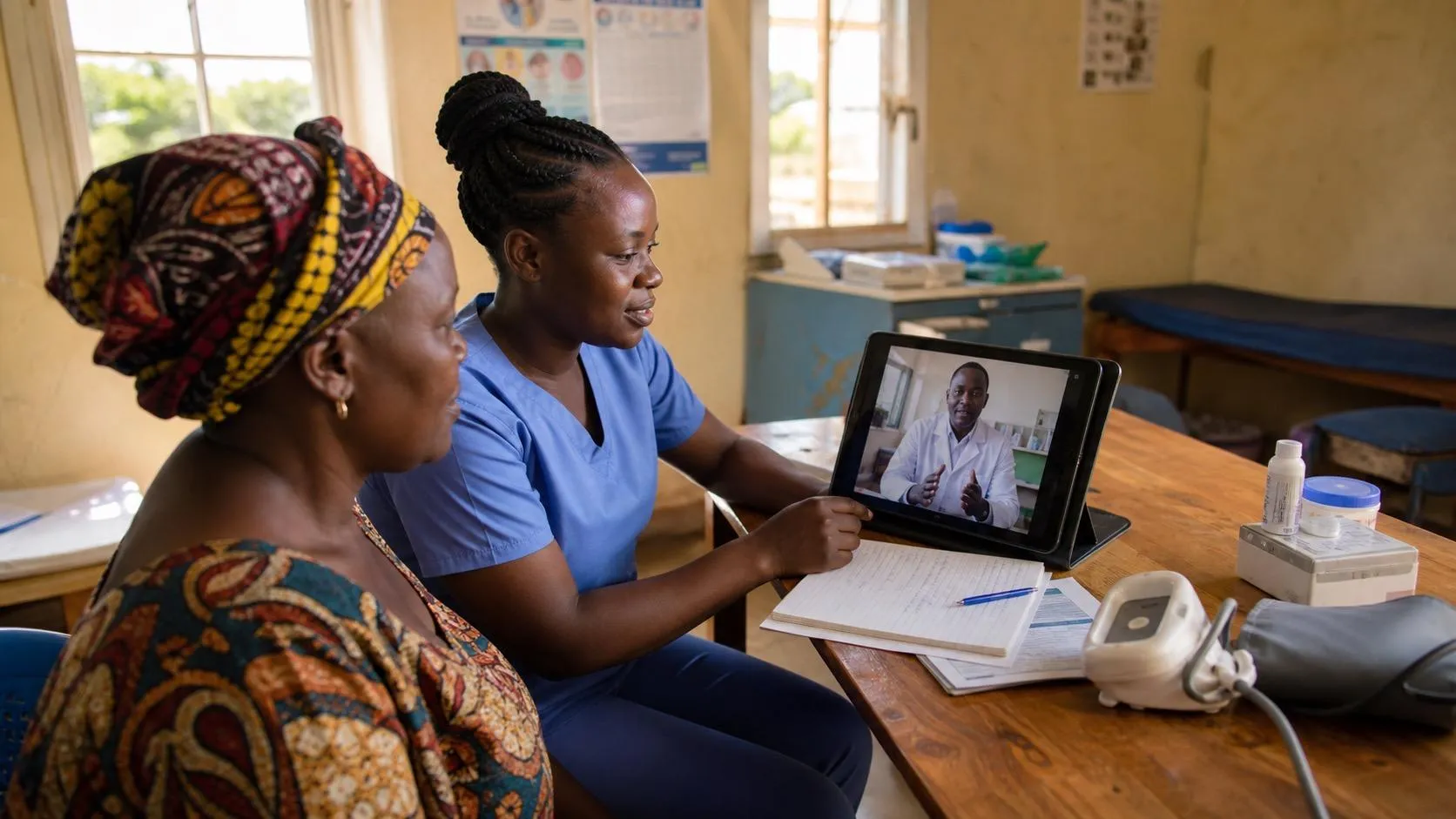
Work experience is often treated as something young people should already have. But experience is not something that appears automatically after graduation. Someone has to provide the opportunity to gain it. Internships, apprenticeships, industrial attachments, mentorships and entry-level positions can help young people make the transition from learning to working. They allow knowledge to become practical ability and give young people the confidence to operate in professional environments. Yet access to these opportunities can be uneven. Some young people have networks that help them find internships. Others know someone who can introduce them to an employer. Some can afford to accept opportunities that offer little or no financial support. Others cannot. For a young person who needs to support themselves or their family, taking an unpaid opportunity may not be realistic. This creates a cycle that is difficult to break: No experience leads to fewer opportunities, while fewer opportunities make it harder to gain experience.
If we want young people to become work-ready, we have to create more opportunities for them to actually experience work.
Employers are part of the solution
The responsibility cannot rest entirely on young people. Young people are often told to improve their CVs, learn more skills, build their networks and become more entrepreneurial. These are valuable steps, but they cannot solve the problem on their own. Employers also have an important role. Businesses understand their industries better than anyone else. They know which skills are becoming important, which technologies are changing their work and what qualities they need from future employees. That knowledge can be shared before young people graduate.
Stronger relationships between employers and training institutions can help students understand what the workplace expects while giving employers a role in shaping future talent. This could mean more meaningful internships, mentorship programmes, apprenticeships, workplace visits, industry projects and opportunities for students to work on real problems. The goal should not simply be to produce graduates. It should be to create graduates who have had opportunities to practice what they have learned.
Skills are not only learned in classrooms
There is another part of the conversation we should not overlook. Young people learn outside formal education every day. They learn by helping in family businesses, working on farms, repairing machines, creating content online, running small enterprises, volunteering in their communities and teaching themselves new technologies. These experiences can develop real skills. The challenge is that skills gained outside formal education are not always recognized. This raises an important question: Should we always ask what certificate someone has, or should we also ask what they can actually do? Recognizing practical experience and skills acquired outside traditional classrooms can help create more pathways into employment and entrepreneurship. It can also change the way we think about young people's abilities.
Building the missing bridge
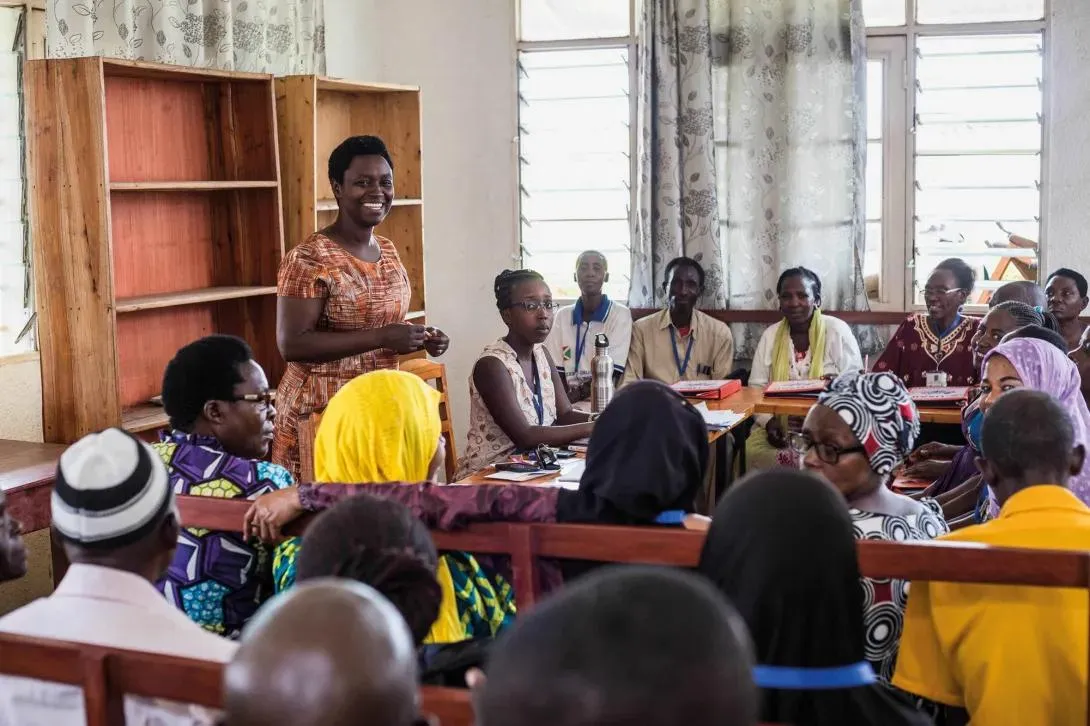
Closing the gap between education and employment will require collaboration. Training institutions need to understand changing labour-market needs. Employers need to become more involved in preparing future workers. Government and development organizations need to support systems that make workplace learning more accessible. And young people themselves need a meaningful voice in these conversations. After all, they are the ones experiencing the transition from education to employment. Their experiences can tell us where the system works, where it fails and what needs to change.
What can GYDP do?
For Global Youth Development Program (GYDP), this challenge presents an opportunity to bring different sides of the conversation closer together. GYDP can create spaces where young people, employers, training institutions and development partners come together to understand the changing world of work and explore practical solutions.
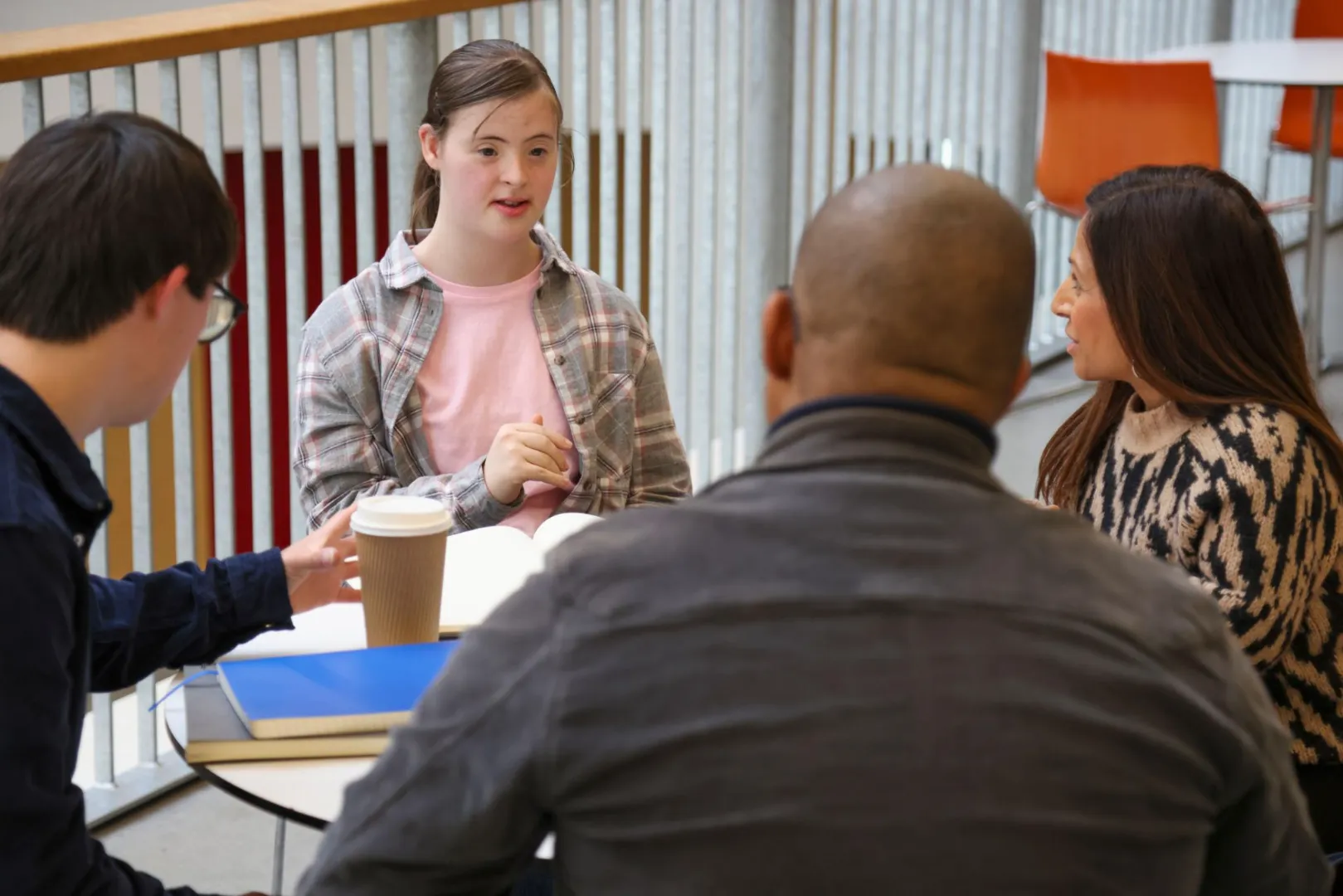
This can include supporting youth skills development, connecting young people with mentorship and workplace opportunities, encouraging partnerships between education and industry, and creating platforms where young people can share their experiences and ideas. Most importantly, young people should not simply be viewed as recipients of programmes designed for them. They should be part of designing the solutions. Their voices, experiences and ideas can help shape more realistic pathways from learning to work. From certificates to opportunity The transition from education to employment should not feel like a gap that young people have to cross alone. A certificate should open a door. Experience should help them walk through it. And opportunity should allow them to keep moving forward.
The experience trap will not disappear through training alone. It will require stronger connections between classrooms and workplaces, between employers and young people, and between skills and real opportunities. The future of work is changing. The question is whether we will change the pathways leading young people towards it. At GYDP, we believe that building those pathways means connecting education with skills, skills with experience, and experience with opportunity, while ensuring young people have a seat at the table when those pathways are designed.