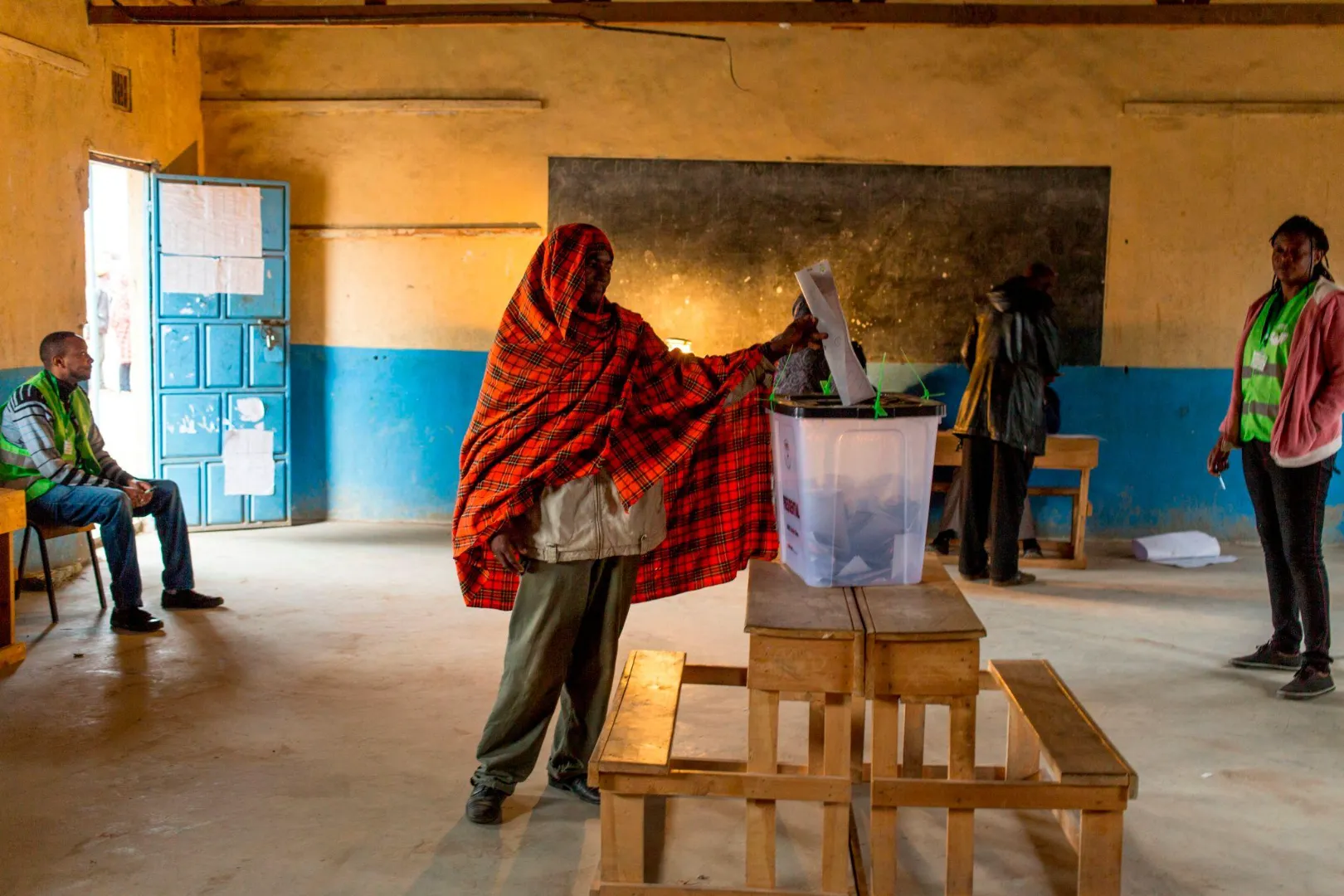
As Kenya moves closer to future elections, conversations around leadership, governance, and citizen participation are becoming increasingly important. Elections are more than a political event, they are an opportunity for citizens to exercise their civic rights and influence the direction of the nation.
A healthy democracy depends on informed and engaged citizens who understand both their rights and responsibilities. Voting is one of the most visible expressions of democratic participation, but civic engagement extends far beyond the ballot box. It includes staying informed, participating in public discussions, holding leaders accountable, and contributing positively to community development.
Understanding Civic Rights
Civic rights are the freedoms and protections that enable citizens to participate fully in public life. These rights include the freedom of expression, freedom of association, access to information, the right to vote, and the right to participate in governance processes.
These rights are essential because they ensure that every citizen has a voice in shaping policies and decisions that affect their daily lives. When citizens understand and exercise their civic rights, they contribute to a more transparent, accountable, and responsive government.
The Importance of Informed Participation
In an era of rapid information sharing, citizens have access to more political information than ever before. However, access to information also comes with the responsibility to critically evaluate sources and verify facts.
Informed participation means understanding political issues, evaluating candidates based on policies and leadership qualities, and engaging in discussions that focus on solutions rather than division. It requires citizens to look beyond political slogans and make decisions based on issues that affect education, healthcare, employment, security, and economic growth.
Youth and the Future of Democracy
Young people represent a significant force in Kenya's democratic landscape. Their participation in civic processes can shape the country's future for generations to come.
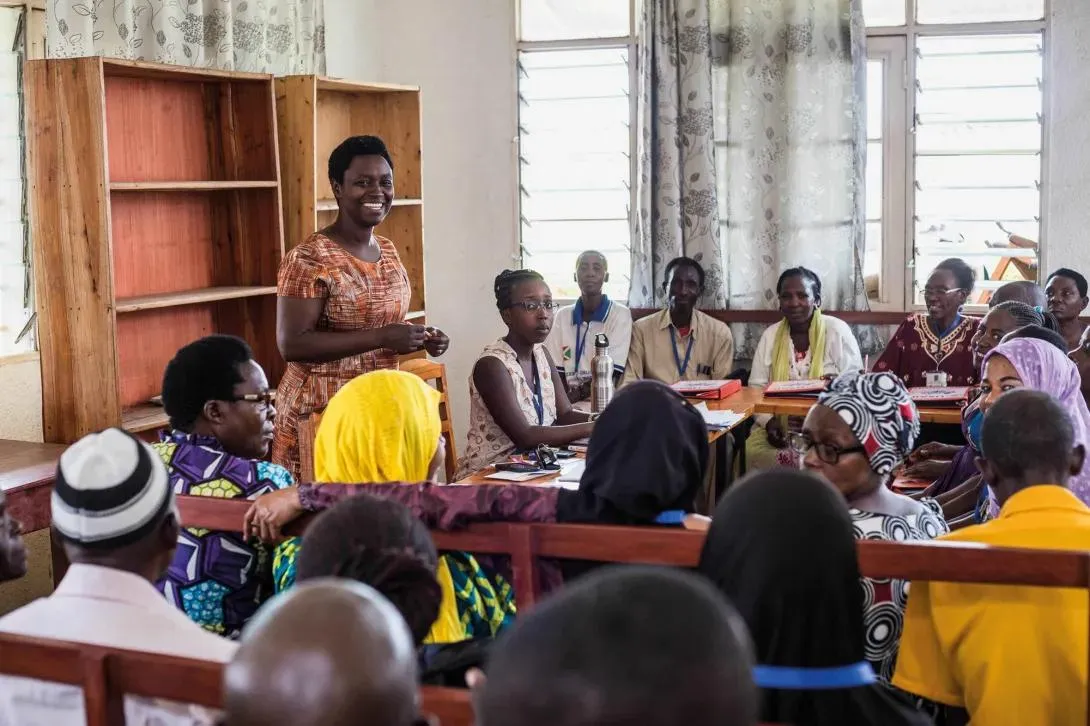
Beyond voting, young people can engage through community initiatives, civic education programs, advocacy efforts, and constructive dialogue. By participating actively and responsibly, they can help strengthen democratic institutions and promote accountability at all levels of governance.
Promoting Respectful Political Engagement
Democracy thrives when citizens can express different opinions respectfully. Political competition should encourage debate and innovation rather than hostility and division.
As election periods approach, it is important for communities to foster respectful dialogue, reject hate speech, and promote peaceful coexistence. Citizens should be able to support different political views while maintaining mutual respect and national unity.
Civic Responsibility Beyond Elections
Democratic participation does not end when votes are counted. Citizens play an ongoing role in monitoring government performance, participating in public forums, and advocating for policies that improve the well-being of their communities.
Accountability, transparency, and good governance are strengthened when citizens remain engaged throughout the electoral cycle rather than only during campaign periods.
Building a Stronger Democratic Future
The strength of a democracy is measured not only by its institutions but also by the active participation of its citizens. As Kenya prepares for future elections, there is an opportunity for every citizen to contribute to a democratic culture founded on informed decision-making, civic responsibility, and respect for fundamental rights.
By understanding our civic rights and embracing our responsibilities, we can help build a more inclusive, accountable, and prosperous society for present and future generations.