Women entrepreneurs are playing an increasingly important role in shaping Kenya's economy. From small businesses in local markets to innovative startups leveraging digital technology, women are creating jobs, supporting families, and contributing to national development. As Kenya continues to pursue inclusive economic growth, empowering women through entrepreneurship has emerged as one of the most effective strategies for reducing poverty, promoting gender equality, and building resilient communities.
The Growing Influence of Women Entrepreneurs
Across Kenya, women are establishing businesses in sectors such as agriculture, retail, manufacturing, technology, education, and professional services. These enterprises range from micro-businesses operated from homes and marketplaces to fast-growing companies serving regional and international markets.
Entrepreneurship provides women with opportunities to generate income, gain financial independence, and participate more actively in economic decision-making. For many women, owning a business is not only a means of earning a livelihood but also a pathway to personal growth, leadership, and social influence.
As more women enter the entrepreneurial space, they are challenging traditional barriers and demonstrating that business ownership can be a powerful tool for empowerment.
Economic Empowerment Beyond Income
Economic empowerment extends beyond simply earning money. It involves having control over financial resources, access to opportunities, and the ability to make decisions that affect one's life and future.
When women become economically empowered, the benefits often extend to entire families and communities. Studies have consistently shown that women are more likely to invest their earnings in education, healthcare, nutrition, and the well-being of their children. As a result, supporting women entrepreneurs contributes to broader social and economic development outcomes.
Women-led businesses also create employment opportunities for others, particularly young people and fellow women, helping to stimulate local economies and strengthen community resilience.
Challenges Facing Women Entrepreneurs
Despite significant progress, many women entrepreneurs continue to face obstacles that limit their business growth and success.
One of the most common challenges is limited access to finance. Many women struggle to secure loans or investment due to insufficient collateral, limited credit history, or restrictive lending conditions. Without adequate funding, expanding a business becomes difficult.
Access to markets also remains a challenge for many women-owned enterprises. Competition, limited business networks, and difficulties reaching larger markets can hinder growth opportunities.
In addition, women often balance business responsibilities with unpaid caregiving and household duties. This can limit the time and resources available for business development and professional growth.
Digital literacy gaps, limited access to technology, and gender stereotypes can further affect women's participation in entrepreneurship, particularly in rural and marginalized communities.
The Role of Technology in Women's Entrepreneurship
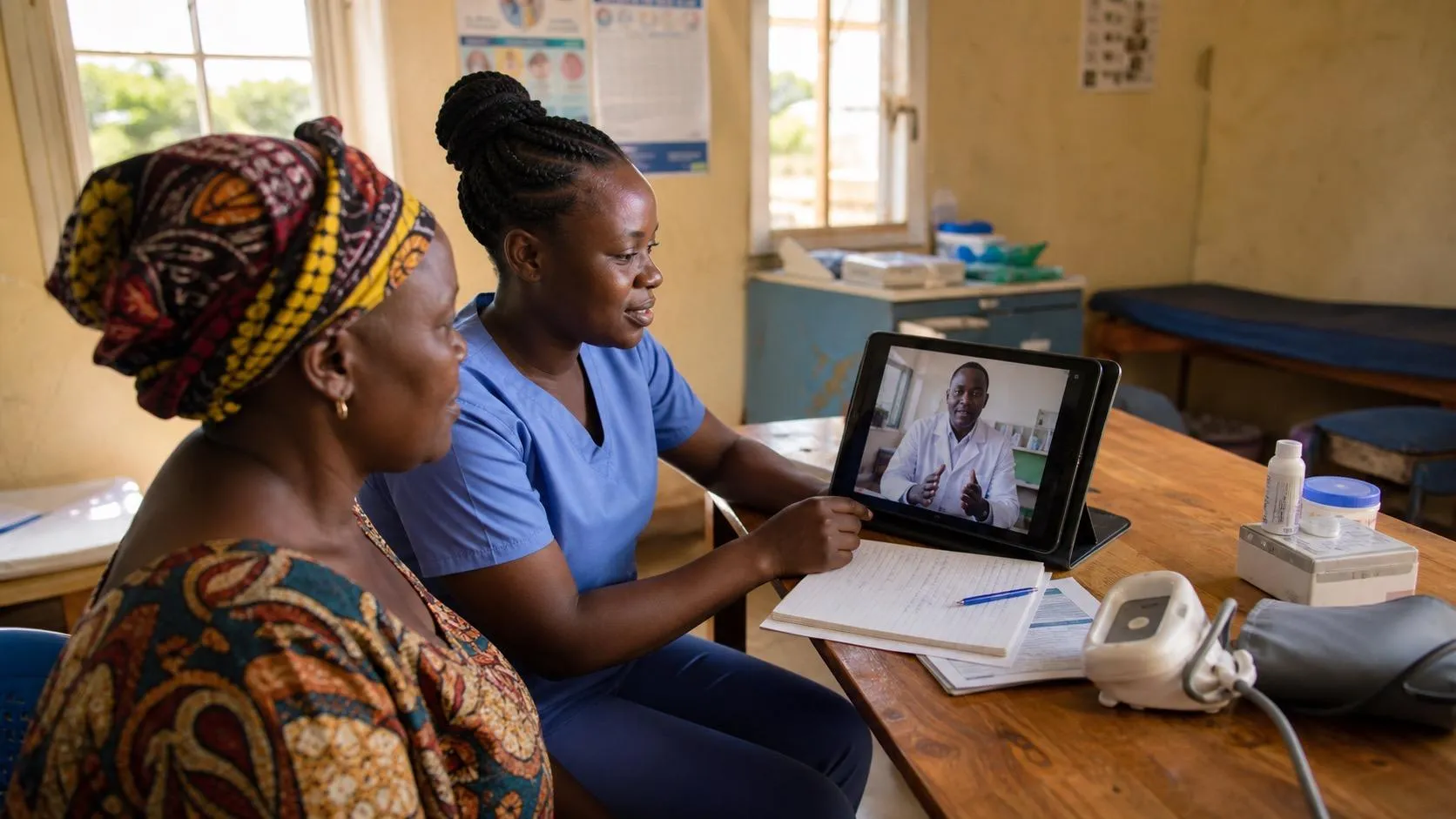
Technology is creating new opportunities for women entrepreneurs across Kenya. Mobile banking platforms, digital payment systems, social media marketing, and e-commerce platforms have made it easier for women to start and grow businesses with fewer barriers.
Through digital tools, women can reach customers beyond their immediate communities, market products online, access business training resources, and connect with professional networks. The increasing availability of smartphones and internet connectivity is helping bridge traditional business limitations and opening doors to new markets.
Digital entrepreneurship is particularly attractive to young women seeking flexible and innovative ways to generate income while balancing other responsibilities.
Supporting Women-Led Enterprises
Creating an enabling environment for women entrepreneurs requires collaboration between government institutions, financial organizations, development partners, educational institutions, and the private sector.
Key support measures include:
- Expanding access to affordable financing and credit facilities.
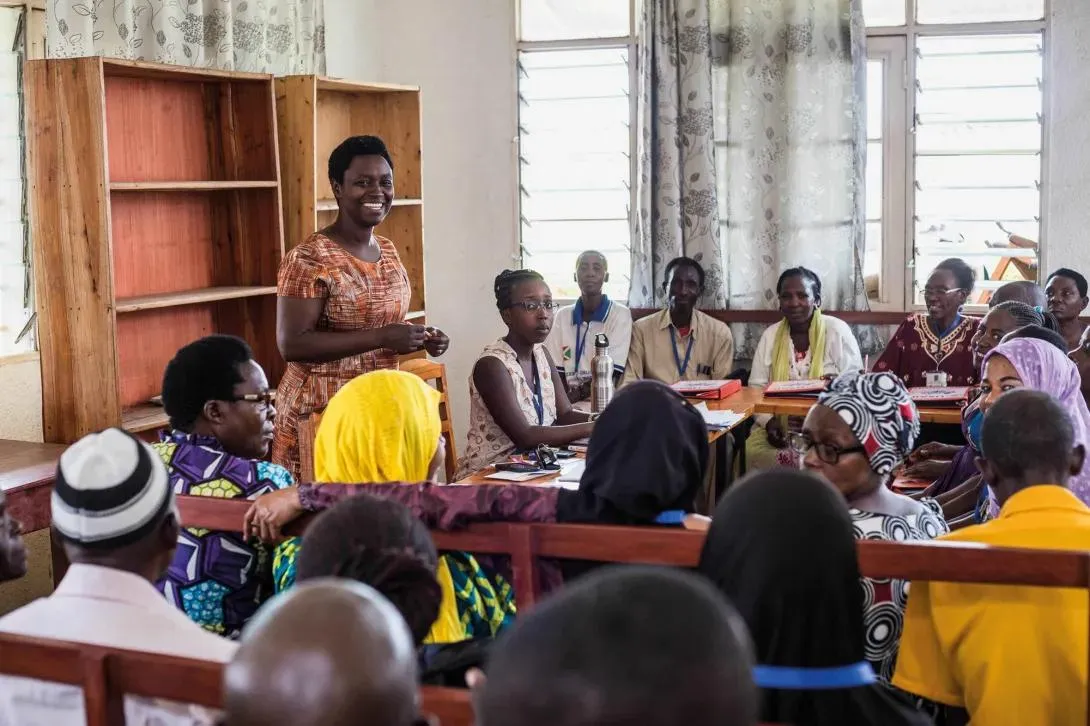
- Providing entrepreneurship training and mentorship programs.
- Strengthening digital literacy and technology access.
- Creating policies that promote gender equality in business.
- Supporting women-owned enterprises in accessing local and international markets.
- Encouraging networking and leadership opportunities for women entrepreneurs.
By addressing these barriers, Kenya can unlock the full potential of women-led businesses and accelerate inclusive economic growth.
Women Entrepreneurship as a Catalyst for National Development
The success of women entrepreneurs is closely linked to the success of communities and nations. When women are empowered to start and grow businesses, they contribute to job creation, poverty reduction, innovation, and economic resilience.
As Kenya works toward achieving sustainable development and economic transformation, investing in women entrepreneurship should remain a priority. Empowering women with the skills, resources, and opportunities they need to succeed is not only a matter of gender equality, it is a smart economic strategy.
The future of Kenya's economy depends on harnessing the talents and entrepreneurial potential of all its citizens. By supporting women entrepreneurs today, we are building stronger families, more prosperous communities, and a more inclusive economy for generations to come.